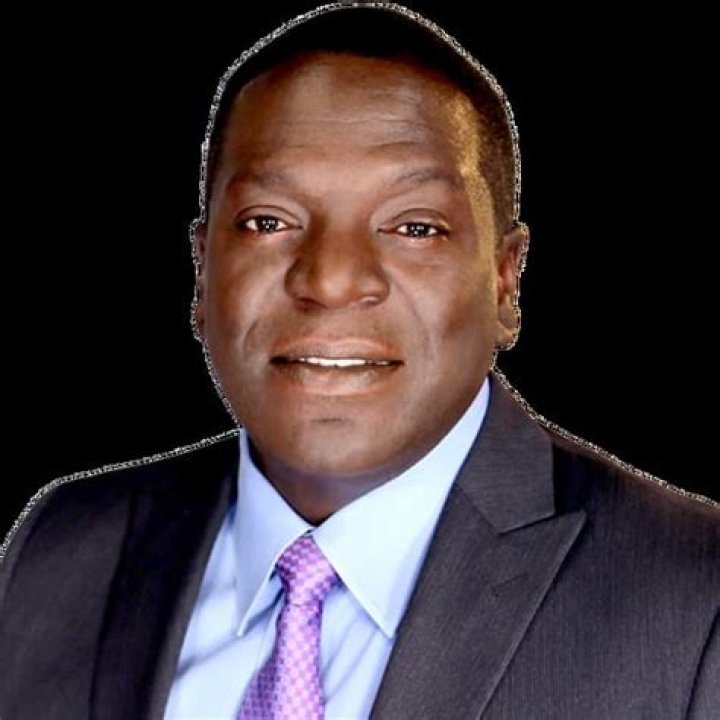
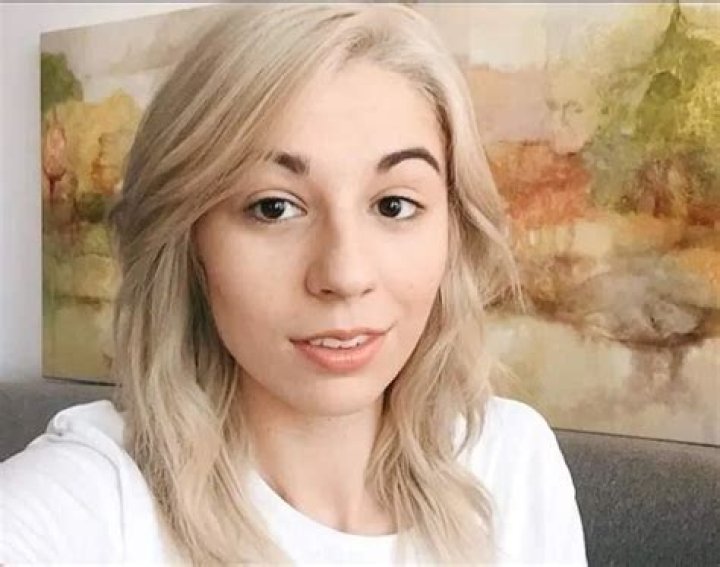
Here are some photos of Elizabeth Olsen at a cocktail reception/Oscar-campaign event in LA for Wind River. Olsen has been low-key Oscar campaigning for months for Wind River – she hasn’t been in our faces with her campaign like Jennifer Lawrence, but Olsen has made sure that she’s mentioned and seen at all the right moments and places. I recently saw Wind River, and I thought it was a good but depressing movie. Olsen was good in it, but if she’s aiming for a Best Actress nomination, I’m not sure if she really qualifies. I think you could definitely make a better case for Jeremy Renner getting Best Actor nominations though – his performance was more “showy” and there were certain scenes where it just seemed like “well, here’s the clip they’ll use for the Oscar montage.”
Honestly though, I kind of see Wind River falling through the cracks of this year’s Oscar season. Olsen is doing a good job with keeping herself in the conversation, but it was always going to be an uphill battle for such a small and depressing film. Plus, there’s the behind-the-scenes drama – Wind River was originally produced and distributed by The Weinstein Company and it was said that Harvey Weinstein was going to oversee the Oscar campaign. Once Sex-Predatorgate 2017 happened, the film’s distribution and Oscar campaign was moved over to Lionsgate. Olsen recently sat down with National Public Radio to discuss Weinstein and the film and more. You can read the full piece here.
On the Weinstein name & why they removed it from the film: “It’s beyond, I think, toxic. It’s completely against all the reasons we made this film. His actions are completely antithetical. And so I think when we found out about The New York Times article, Taylor Sheridan, our writer-director – the first thing he did was basically lawyer up and try and figure out how we can get the rights back because our film does deal with sexual assault and violence against women.
Whether she was excited about the film being distributed by TWC before all of this: “Yeah, I was. I’ve never had a film with the Weinstein Company before. I know they create a good platform for films during the awards season. And the way we talk about campaigning for this film specifically is – when you get to have that platform for being nominated for your film and then being on these different platforms, whether it’s on television or it’s being written about, people then go see your movie. And so this is a story that we all want people to see and know about and learn. And that’s why you want that campaign platform.
Why she hopes people will see the film: “I think it’s a story that can stick with you for many different reasons. If you leave a film, if you put down a book, and there is something that you didn’t know before or something that has informed you about the world you live in — that you care about that you didn’t know before — if you can walk away from any kind of story with that, I think that’s the goal of storytelling. And so that’s what I love about this film, is it really has moved people and it’s become more, I think, socially important today than it was when we made it. There’s been a lot more attention being given to indigenous Native American people within our country since we made the film, and there’s also this whole epidemic that everyday we’re learning about men and power and sexual assault, and those are what this film is about in a very specific story.
She’s right about the story sticking with you. I was still thinking about it for days afterwards. It actually took me a good hour after the film was finished to figure out how Jeremy Renner’s character made that big discover towards the end and how he put the pieces together so quickly. The film is haunting. But is it Oscar worthy? I don’t know.
Photos courtesy of Getty.